Description
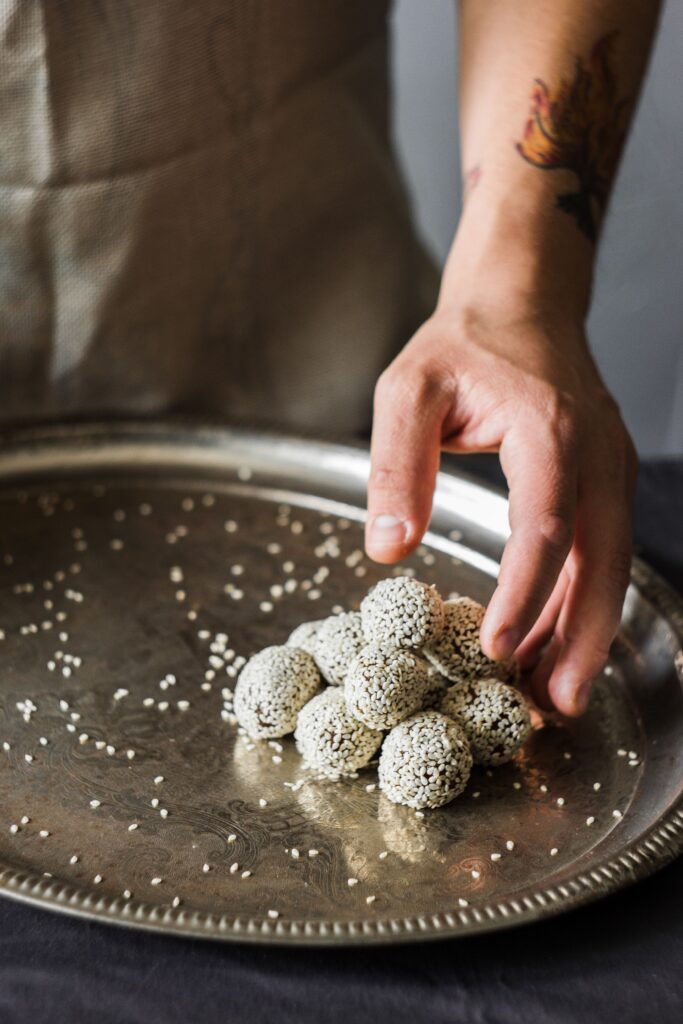
In the lanes of Ramna in Gaya, the rhythmic thud of wooden mallets pounding sesame and sweetener announces the arrival of winter. This is tilkut, a Magadh delicacy with a 150-year lineage traced to the patronage of the Tekari kingdom, and widely regarded as Gaya’s finest sweet, a craft now moving toward Geographical Indication recognition.
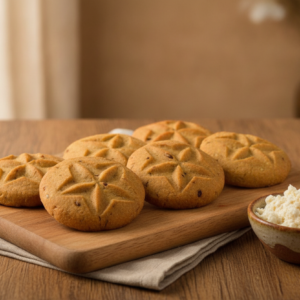
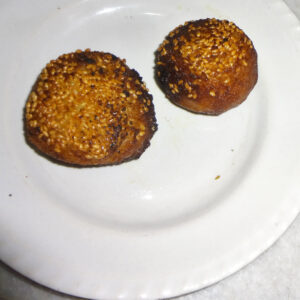
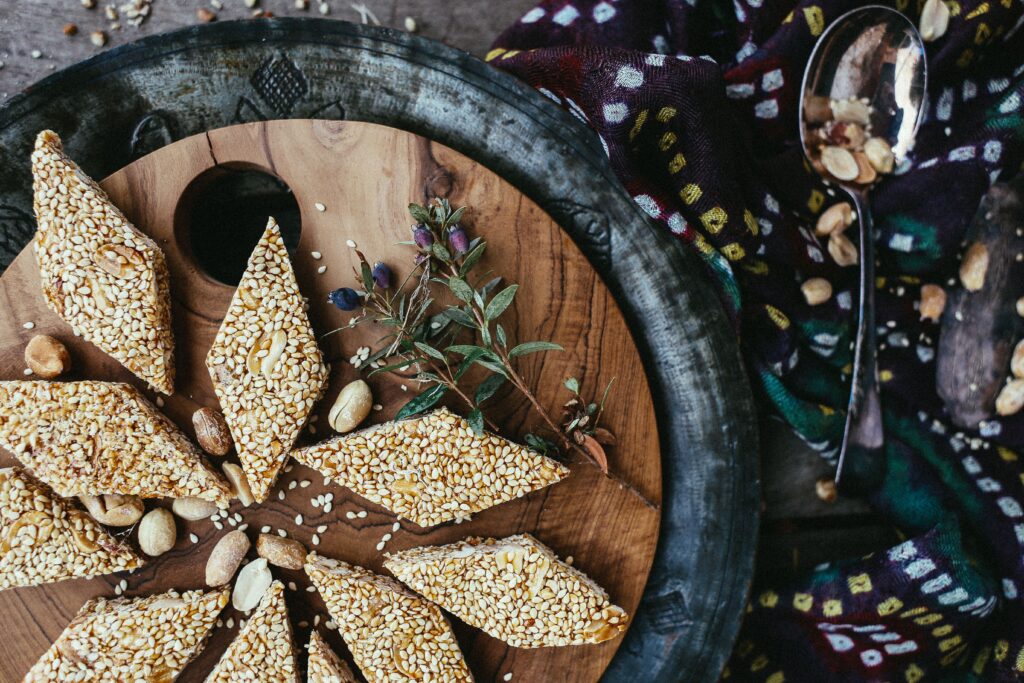
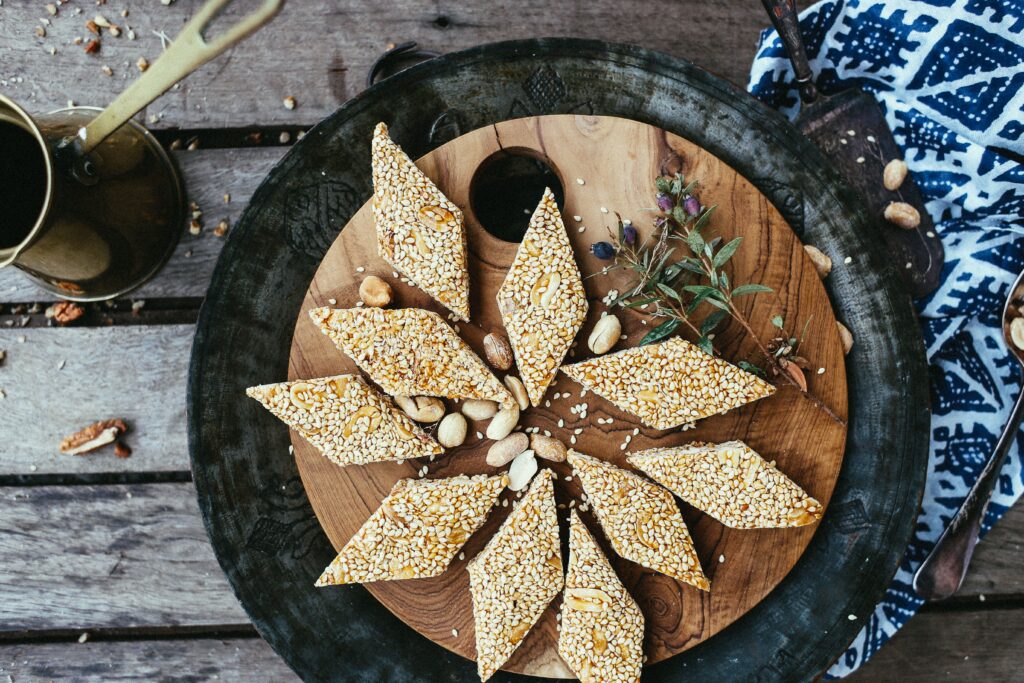
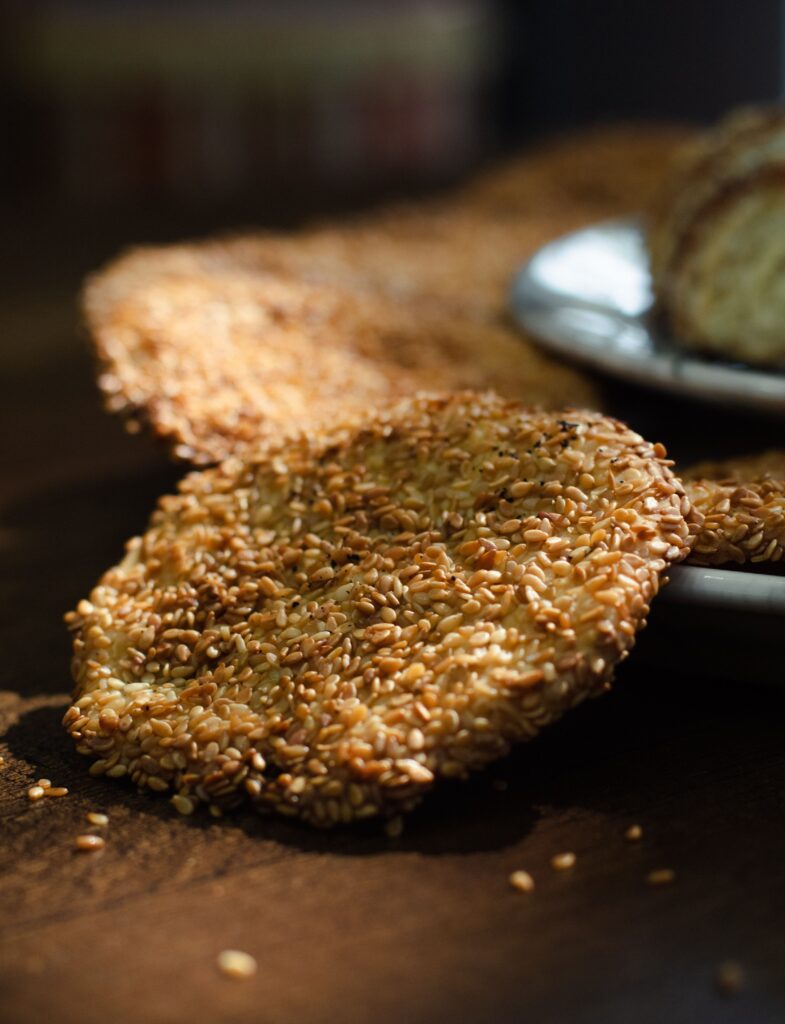
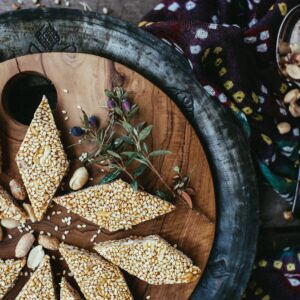
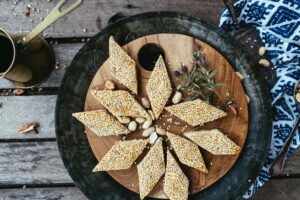
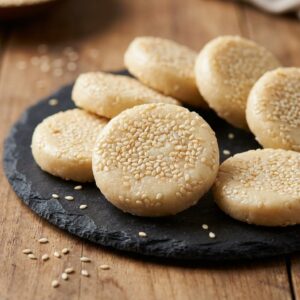
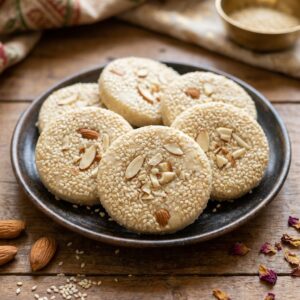
Tilkut comes in three forms, and ours is the gud tilkut, the deepest and most traditional, made with jaggery rather than refined sugar. Roasted white sesame (til) is hand-pounded into warm jaggery (gud) and pressed into delicate, flaky discs that crumble and melt together on the tongue, nutty, toasty and gently caramel-dark, with the mineral depth only real jaggery gives.
Sesame and jaggery are no accident of the season: both are warming winter foods, and tilkut is made and eaten above all at Makar Sankranti, the mid-January harvest festival, when sugarcane is freshly pressed and sesame newly harvested. Nutritionally, sesame brings calcium, magnesium, zinc and protein, while jaggery offers iron, a sweet our elders rightly called good for the bones.
How to enjoy: serve as a tea-time or festival sweet, or offer it at Sankranti alongside dahi-chura in the Bihari tradition. Keep it in an airtight box away from moisture so the discs stay crisp and flaky, as humidity is its only enemy.
This is a single-origin, single-item Gaya sweet, hand-pounded in small winter batches and never a mixed assortment, carrying the authentic taste of a Magadh January in every fragile, sesame-flecked disc.
From the makers
Sri Ram Tilkut Bhandar — Ramna Road, Gaya. Hand-pounding sesame and jaggery in stone mortars since 1911, four generations later still doing it the same way. No machine grinding, no fillers, no shortcuts. Gaya tilkut earned its Geographical Indication tag in 2023, formally recognising the town as its rightful home. We source directly from the original Sri Ram Tilkut Bhandar shop on Ramna Road — the same stall their grandfather opened a century ago.