Description
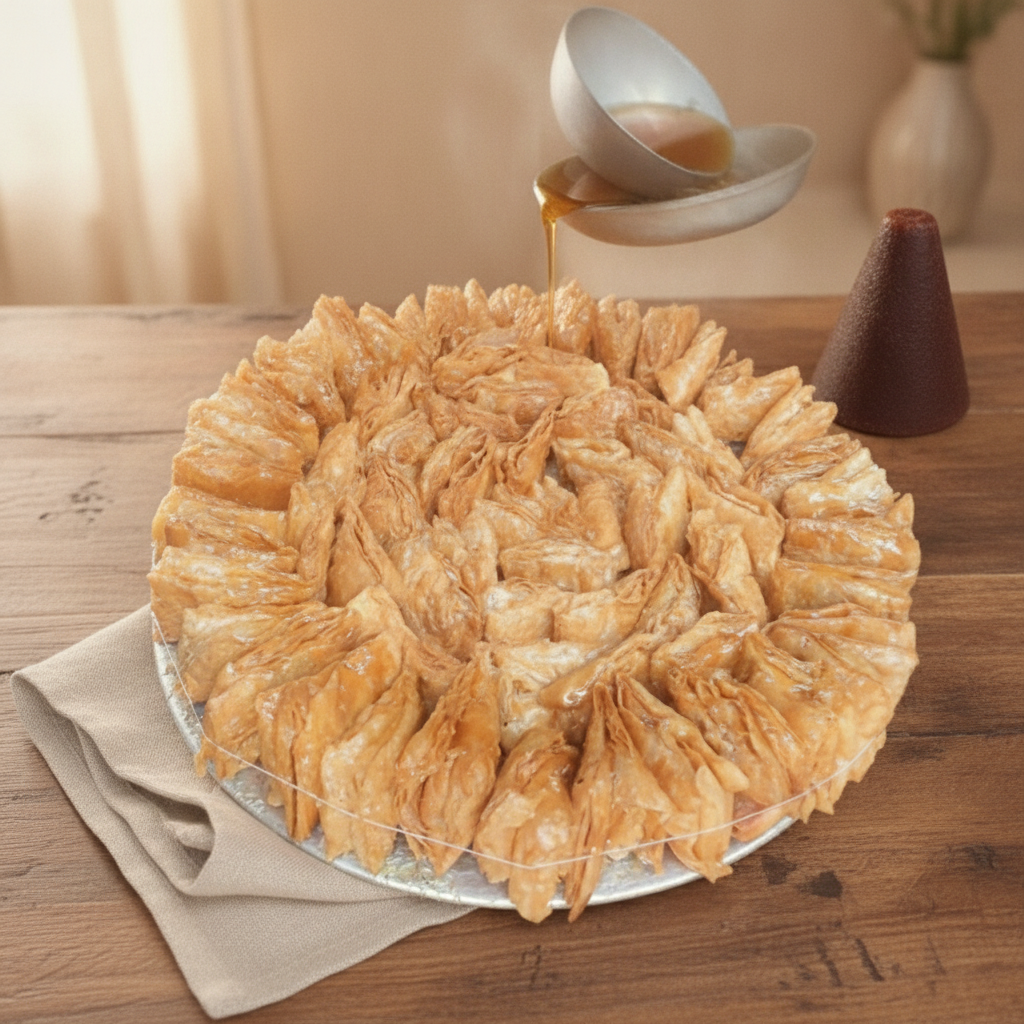
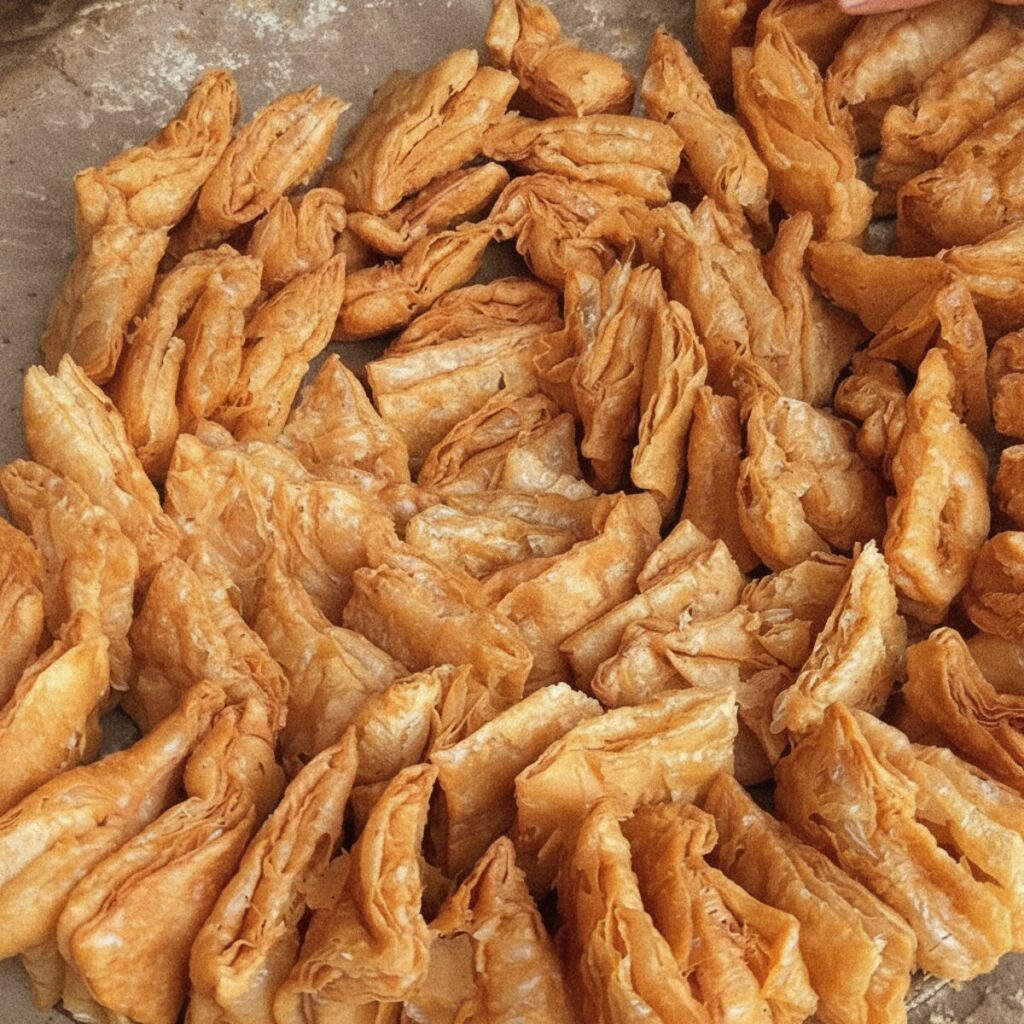
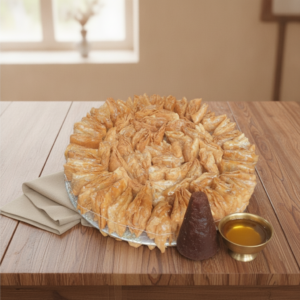
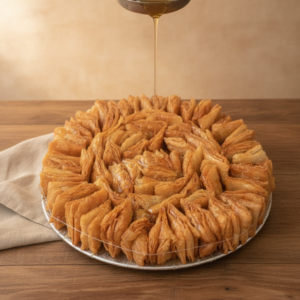
Gur Khaja takes Bihar’s celebrated layered pastry and sweetens it the old way — not with refined sugar syrup but with gur (jaggery), which lends the khaja a deeper, caramel-amber sweetness and a faint earthiness that white sugar can never give. The result is a darker, richer version of the sweet that older households in Silao still prefer, especially through the winter months.
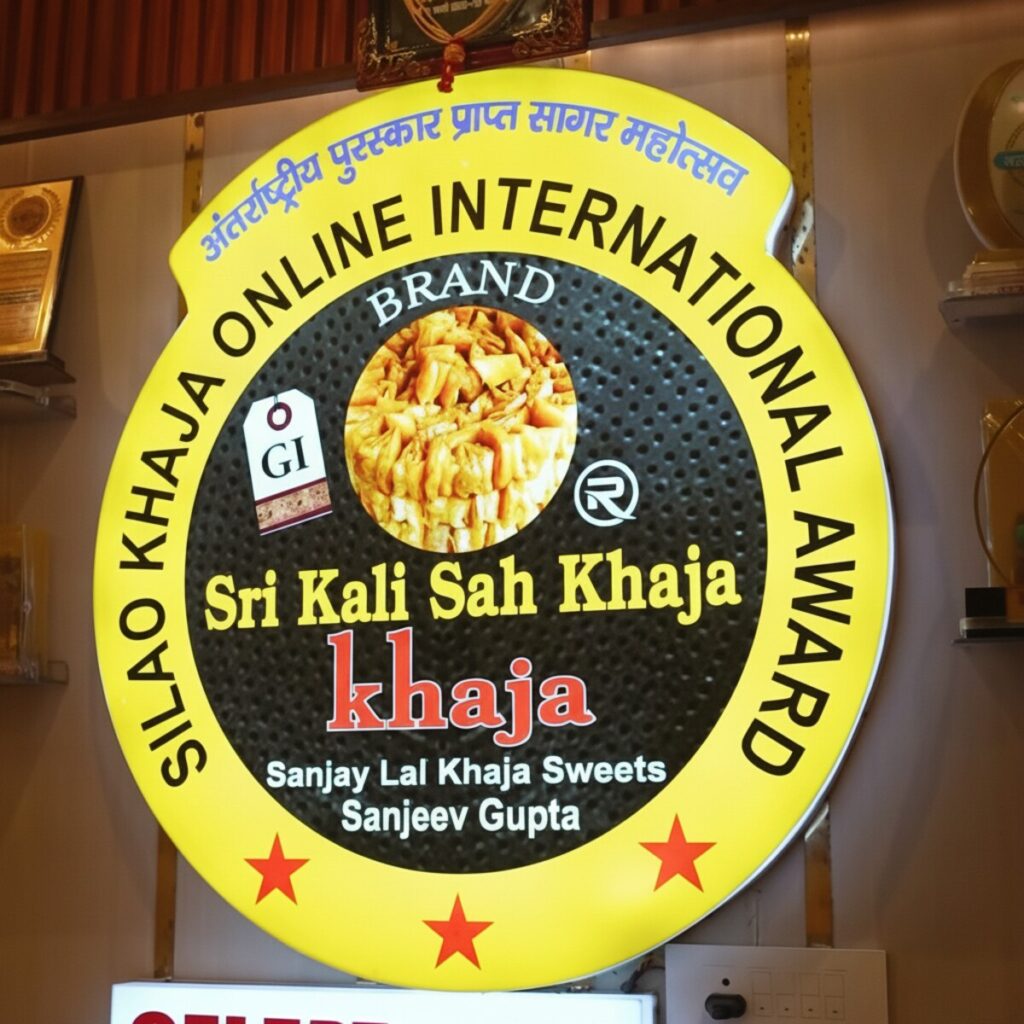
The khaja itself comes from Silao, a market town in Nalanda district on the ancient road between Rajgir and the great Buddhist university of Nalanda. Khaja has been made here for centuries; folk tradition even tells of the Buddha being offered khaja on his way to Nalanda, and the layered pastry is sometimes likened to baklava for its many fine, fried sheets. In December 2018 Silao khaja received a Geographical Indication (GI) tag, recognising the town’s hereditary halwai families as its custodians.
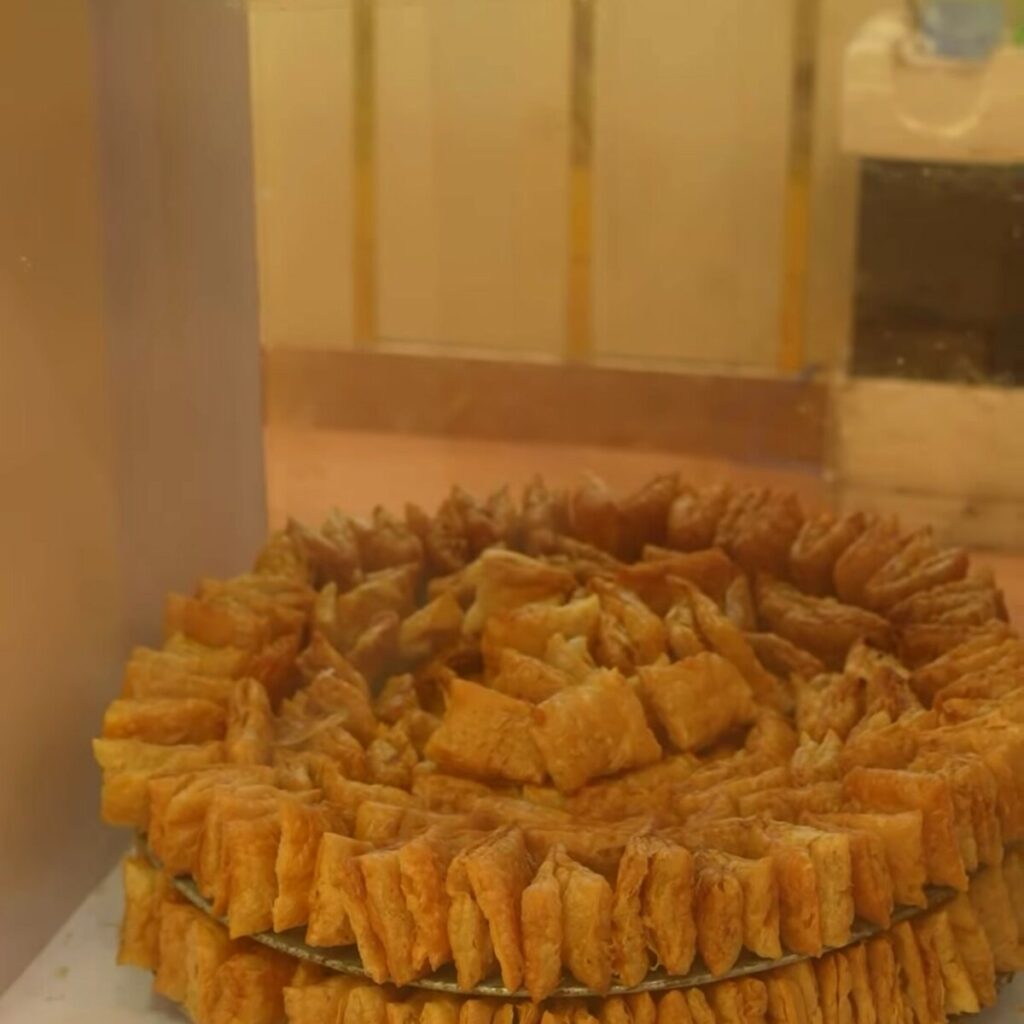
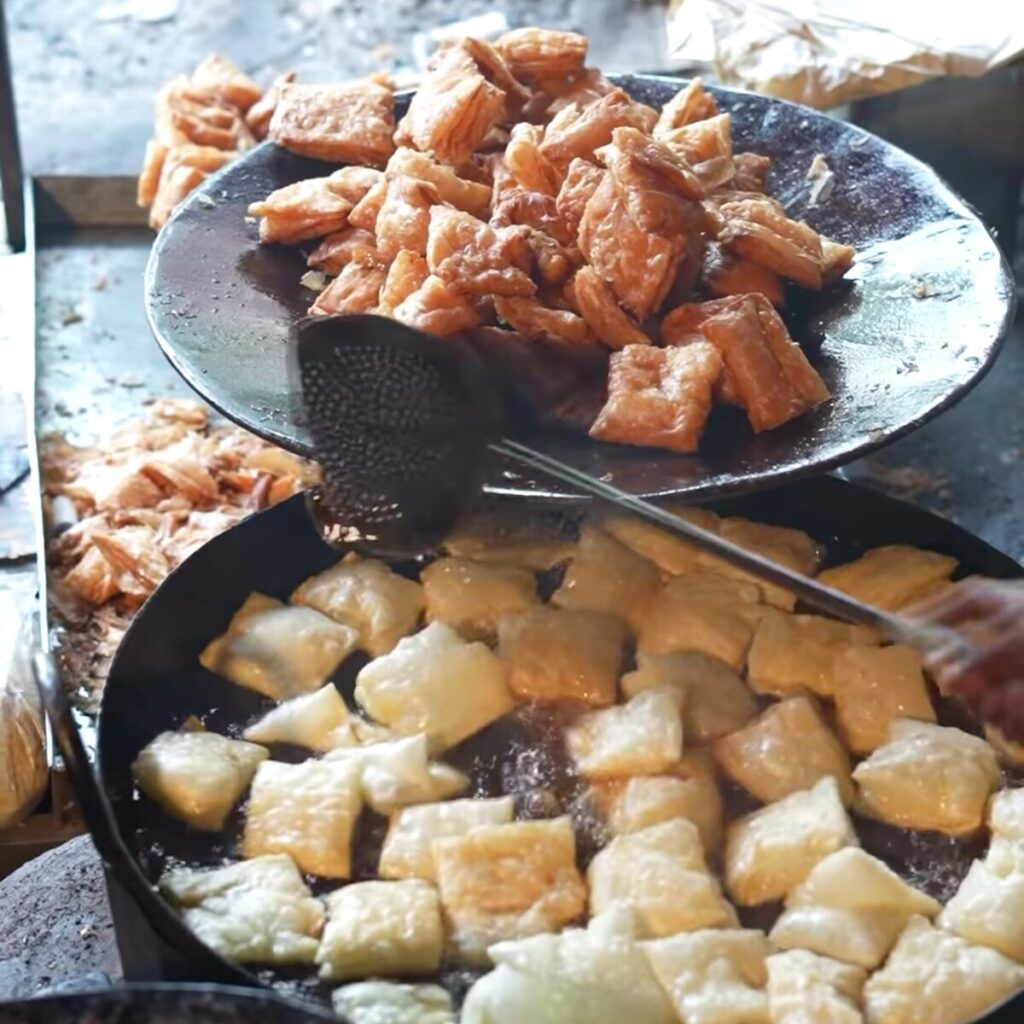
Making gur khaja is patient work. The dough is folded and rolled by hand into dozens of paper-thin layers, fried, and then glazed in a syrup of melted jaggery rather than sugar — a step that demands careful heat control so the gur coats without burning. Done right, the layers stay crisp and separate, shattering cleanly at the first bite. We buy directly from the original Silao shops so you taste the genuine article.
Serve gur khaja with winter chai, or offer it during Makar Sankranti and Chhath when jaggery sweets are traditional. Keep it airtight and dry; it stays good for about 30 days. Net weight 500g.
From the makers
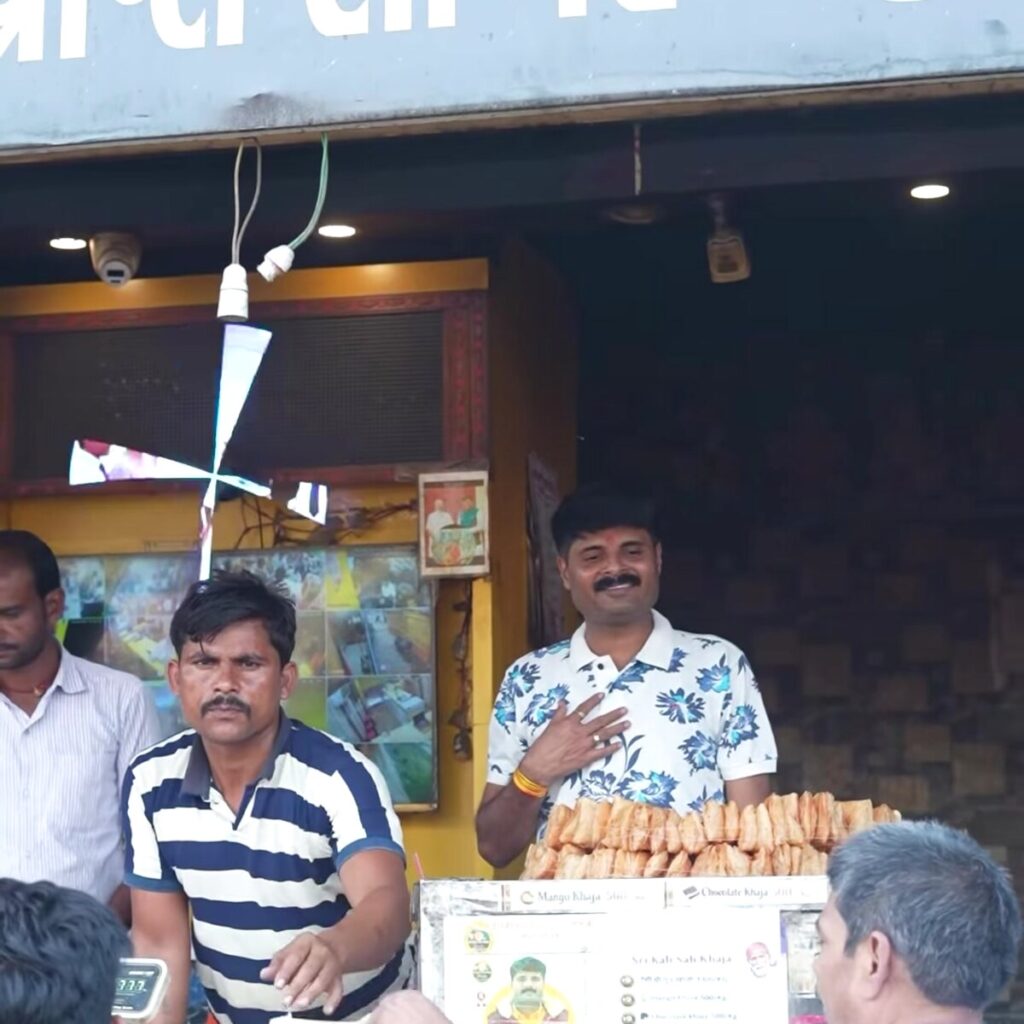
Silao Khaja Bhandar — Sah-haluwai families, Silao village, Nalanda district. Four generations of layered-pastry craft since 1947. Each piece is hand-folded with maida and ghee into dozens of paper-thin sheets, pressed into blocks, and slow-fried until it shatters at the first bite. GI-tagged 2018. We buy directly from their original shop on the Rajgir road.